The Internet of Things has crossed its inflection point. No longer a collection of clever experiments, IoT is now the connective tissue of modern enterprise — and in 2026, it's getting smarter, faster, and more essential than ever.
From telemetry to intelligence
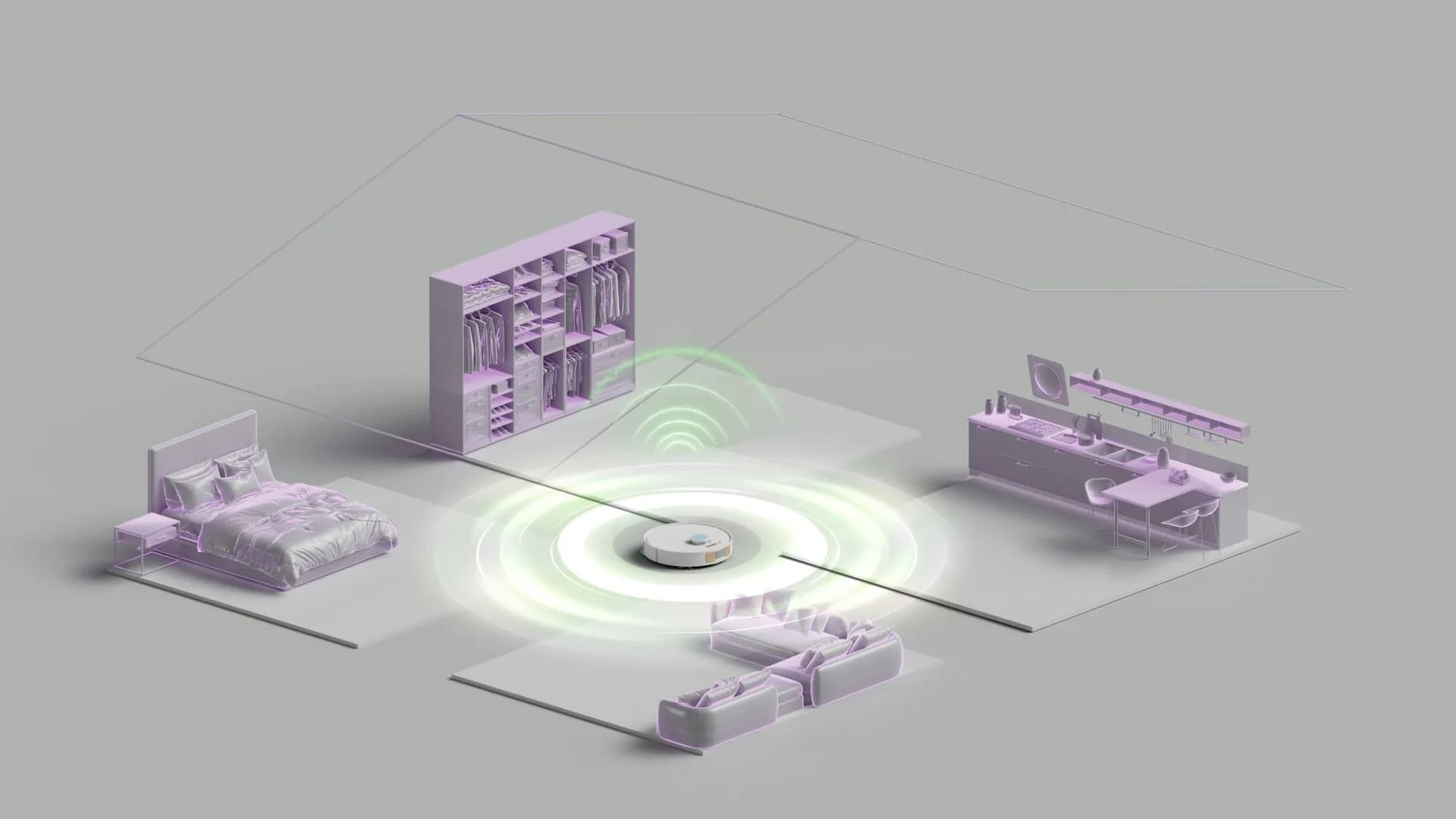
For years, IoT meant sensors reporting data to dashboards — useful, but passive. That era is ending. The defining shift of 2026 is the move from devices that collect to devices that decide. New IoT chips are being designed with lightweight neural processing units, vector extensions, and AI cores that run anomaly detection, vision recognition, and condition monitoring directly on the device — no cloud round-trip required.
This is the birth of the intelligent edge, and it's reshaping everything from factory floors to smart cities.
"IoT is no longer only a source of telemetry; it is the most strategic asset for the enterprise. Organizations that secure a robust data supply chain today will gain a measurable competitive edge in the era of intelligent, predictive automation."
Industrial IoT: safety and intelligence converge
In heavy industries — construction, manufacturing, mining, oil & gas, logistics — Industrial IoT is no longer theoretical. Real-time intelligence, edge-level decision-making, and safety-first automation are already operating on active job sites and production floors.
When combined with AI video analytics, computer vision, and machine learning, IIoT is enabling predictive maintenance, risk heatmaps, and automated safety interventions that were unimaginable just three years ago. The role of IIoT in 2026 no longer stops at data collection — it acts.
The challenges ahead
- Network fragmentation: Regional differences in network maturity are widening, complicating global deployments and requiring multi-RAT designs and flexible connectivity management.
- Regulatory variability: Governments worldwide are introducing divergent IoT regulations, creating compliance headaches for devices that cross borders.
- Talent gap: The workforce capable of designing, deploying, and maintaining intelligent IoT systems is not growing fast enough to meet demand.
- Data governance: As devices generate exponentially more data, organizations must answer hard questions about ownership, privacy, and the ethics of automated decision-making.
What comes next: 2027 and beyond
Looking past 2026, the trajectory is clear. IoT will increasingly underpin autonomous systems — self-managing factories, predictive urban infrastructure, precision agriculture, and healthcare that monitors patients continuously rather than episodically. The devices will become invisible, woven into the fabric of how the world works rather than standing apart as "smart" additions.
The organizations building competitive advantage now are not just deploying more sensors. They are building data supply chains, intelligent edge architectures, and governance frameworks that will define the next decade of operational excellence.